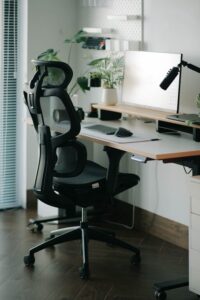
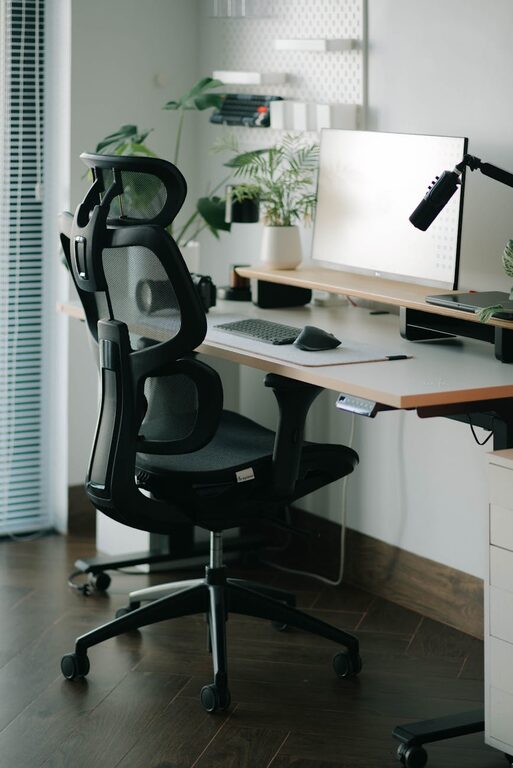
Creating a home office that is both cozy and functional can transform your daily work routine. Whether you are working remotely, freelancing, or managing tasks from home, having a dedicated space that fosters concentration and comfort is essential. In this post, we’ll explore practical tips to help you design a home office that not only looks great but supports your productivity and well-being.
Why a Cozy and Functional Home Office Matters
A well-designed home office helps reduce distractions, improves focus, and maintains your work-life balance. Comfort plays a big role in how long and effectively you can work without fatigue or discomfort. By thoughtfully combining comfort with function, you create a space that invites you to sit down and be productive every day.
Choosing the Right Location
Start by selecting the ideal spot for your home office. Consider these factors:
– Natural light: Working near a window can enhance mood and reduce eye strain.
– Quiet environment: Pick a place away from household noise and high-traffic areas.
– Space availability: Ensure there’s enough room for your desk, chair, and storage.
If space is limited, consider multi-use areas like a corner in your living room or bedroom, but use room dividers or shelving to create boundaries.
Investing in Comfortable Furniture
Comfort is key for long hours at the desk. Focus on:
– Ergonomic chair: Choose one that supports your posture with adjustable height and lumbar support.
– Adjustable desk: Standing desks or desks with adjustable height can add flexibility.
– Desk size: Ensure the surface has enough space for your computer, notepads, and other essentials without clutter.
Optimize Lighting
Good lighting prevents eye strain and keeps you alert.
– Combine natural and artificial light: Use blinds to control sunlight glare and add a desk lamp with adjustable brightness.
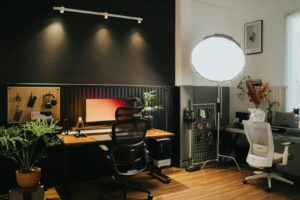
– Avoid harsh overhead lights: Soften the ambient light with lamps or diffusers.
– Position lighting strategically: Place your lamp to avoid shadows when writing or working on the keyboard.
Organizing for Efficiency
An organized desk reduces stress and saves time.
– Use storage solutions: Shelves, filing cabinets, or desk organizers keep your workspace tidy.
– Go digital: Minimize paper clutter by adopting digital notes and files.
– Declutter regularly: Set aside a few minutes daily to clear unnecessary items.
Personalize Your Space
Adding personal touches makes the home office feel inviting.
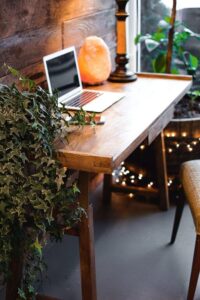
– Add plants: Greenery improves air quality and adds a calming effect.
– Artwork and photos: Decorate with inspiring art or family photos to boost motivation.
– Colour choices: Use colours that make you feel relaxed or energized, depending on your preference.
Manage Technology and Cables
Technology is central to any home office but can create mess.
– Cable management: Use clips, sleeves, or boxes to keep cords organized and out of sight.
– Essential tech: Invest in a reliable computer, good internet connection, and accessories like a headset or printer.
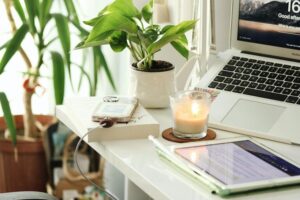
– Keep gadgets charging: Set up a designated charging station.
Maintain Good Air Quality
Fresh air helps keep you alert and healthy.
– Ventilate regularly: Open windows if possible or use air purifiers.
– Temperature control: A comfortable room temperature prevents distraction and fatigue.
Take Breaks and Move
A comfortable home office encourages regular breaks.
– Set reminders: Use alarms or apps to stand, stretch, and rest your eyes.
– Incorporate movement: Stretching or short walks boost circulation and focus.
Final Thoughts
Designing a cozy and functional home office requires a balance of comfort, organisation, and personal style. By focusing on ergonomic furniture, good lighting, effective storage, and a pleasant atmosphere, you create a space that supports your productivity and wellbeing. Start small, adjust as you go, and enjoy the positive impact of a well-thought-out workspace in your home.