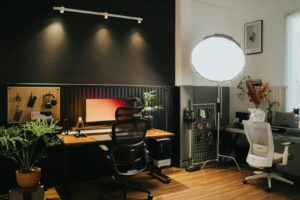
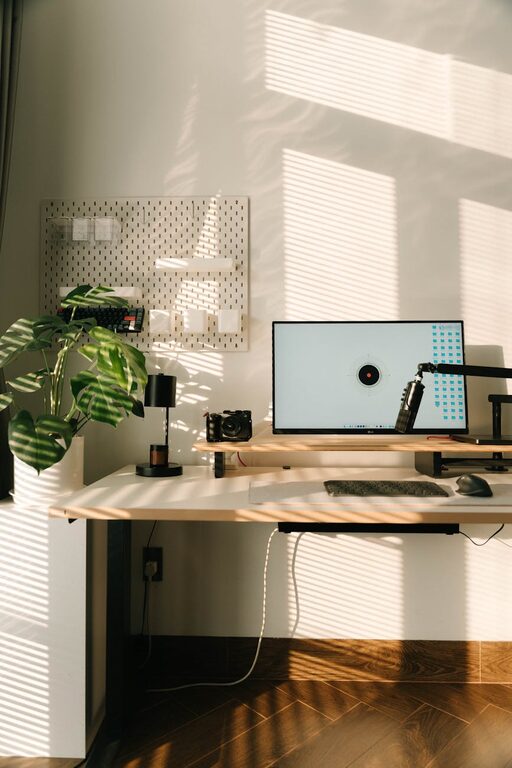
Creating a home workspace that is both clutter-free and inspiring can significantly enhance your productivity and overall well-being. Whether you work remotely full-time or occasionally need a quiet spot for focused tasks, organizing your home office is essential. This guide provides practical tips for designing a neat, comfortable, and motivating workspace that you look forward to using every day.
Why Organizing Your Home Workspace Matters
A well-organized workspace reduces distractions and stress, helping you maintain focus and efficiency. Clutter can create mental fatigue and disrupt your workflow, while a tidy desk promotes clarity and creativity. Beyond functionality, an inspiring setting encourages you to stay motivated and enjoy your work.
Step 1: Choose the Right Location
Selecting a suitable place in your home is the first step towards an effective workspace.
– Quiet and Comfortable: Pick a spot away from noise and interruptions. Consider a spare room, a corner in your bedroom, or a section of the living room.
– Natural Light: Position your desk near a window if possible. Natural light improves mood and reduces eye strain.
– Sufficient Space: Ensure there’s enough room for your desk, chair, and storage. Avoid cramped areas that limit movement or cause clutter buildup.
Step 2: Declutter and Prioritize Essentials
Before adding anything new, clear out unnecessary items.
– Clear Your Desk Completely: Remove everything and only return items you use daily.
– Categorize Supplies: Group similar items (e.g., stationery, documents) and decide what to keep, store, or discard.
– Limit Equipment: Keep only essential tech and tools on your desk—the fewer distractions, the better.
Step 3: Invest in Functional Furniture
Choosing the right furniture can make a significant difference.
– Ergonomic Chair and Desk: Comfort is key. An adjustable chair and desk at the correct height help prevent posture issues.
– Storage Solutions: Use shelves, drawers, or filing cabinets to keep items organized and out of sight.
– Multi-purpose Furniture: Consider desks with built-in compartments or foldable options if space is limited.
Step 4: Create Smart Storage Systems
Effective storage prevents clutter from returning.
– Use Vertical Space: Wall shelves or pegboards maximize storage without taking up floor space.
– Drawer Dividers and Organizers: Keep small items neat and easy to find.
– Label Containers: Clear labeling saves time and avoids frustration when hunting for supplies.
Step 5: Personalize to Inspire
Your workspace should reflect your personality and inspire creativity.
– Add Greenery: Small plants improve air quality and add a touch of nature.
– Incorporate Artwork or Quotes: Display items that motivate or calm you.
– Choose Calming Colors: Soft blues, greens, or neutrals create a peaceful atmosphere.
Step 6: Manage Cables and Electronics
Messy cables can create visual clutter and distractions.
– Use Cable Organizers: Clips, sleeves, or boxes keep cords tidy and prevent tangles.
– Minimize Devices: Only keep necessary electronics on your desk.
– Wireless Devices: Where possible, switch to wireless keyboards, mice, or chargers.
Step 7: Develop Daily Habits to Maintain Order
Organization is an ongoing process, supported by good habits.
– End-of-Day Clean-Up: Spend a few minutes tidying your desk before finishing work.
– Regular Decluttering: Monthly reviews help discard unnecessary items.
– Digital Organization: Keep your computer desktop and files orderly, mirroring your physical workspace.
Bonus Tips for Inspiration and Productivity
– Lighting: Use adjustable desk lamps to reduce eye strain during late work hours.
– Sound: Background music or ambient sounds can enhance concentration if you prefer.
– Break Area: If possible, include a comfortable spot nearby for stretching or breaks to refresh your mind.
—
Creating a clutter-free and inspiring home workspace is about balancing functionality with personal touches that promote happiness and focus. With these simple steps, you can build a productive environment that motivates you daily. Remember, organization is personal—adjust these tips to fit your unique needs and style. Happy organizing!